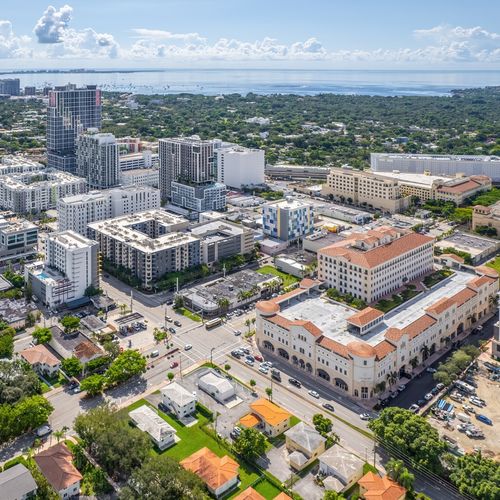



Thinking about moving to Miami in 2026?
Palm trees, beaches, warm weather, and no state individual income tax certainly sound appealing—but what does it actually cost to live here?
The answer depends heavily on where you live and the lifestyle you choose. Brickell and Downtown come with very different expenses than Kendall, Palmetto Bay, Cutler Bay, or communities farther south.
Here’s a breakdown of what to expect.
Housing: Your Biggest Expense
Housing will probably take the largest piece of your budget.
According to the source, the average single-family home in Miami-Dade is around $720,000, while condos average roughly $500,000.
Renting a one-bedroom apartment in Brickell or Downtown can cost approximately $3,000 per month.
Move farther south toward Kendall, Palmetto Bay, or Cutler Bay, and the source estimates that comparable rentals may fall closer to $2,200–$2,400 per month.
That’s why asking whether Miami is affordable isn’t enough.
The better question is: Which part of Miami can you afford?
Utilities and Internet
For a two-bedroom condo, the source estimates electricity at roughly $160–$200 per month, with water and trash around $70–$100.
High-speed internet can add another $70–$90 per month.
Air conditioning is the big variable. Miami’s heat and humidity mean your AC will work hard for much of the year, so thermostat habits can make a noticeable difference.
Groceries and Dining
The source estimates groceries in Miami at around 5–10% above the national average.
But dining out is where your budget can really start disappearing.
Miami has everything from inexpensive Cuban cafés and food trucks to upscale restaurants in Brickell, Miami Beach, and other luxury districts.
The good news is that you don’t have to eat expensive meals every night. Miami’s international food scene provides plenty of options at different price points.
Transportation and Car Insurance
Miami remains largely a driving city.
If you live and work in Brickell or Downtown, you may be able to rely on walking and public transportation more often.
Outside those areas, having a car becomes considerably more useful.
The source estimates auto insurance at approximately $3,000–$4,000 per year, depending on the driver, coverage, and location.
Once you add a car payment, gas, insurance, parking, and maintenance, transportation can become one of your biggest monthly expenses after housing.
Healthcare
The source estimates a basic private health plan at roughly $350–$600 per month for one adult.
If you’re relocating from another state, checking whether your existing insurance network works with your preferred South Florida healthcare providers is an important part of planning the move.
Miami has plenty of hospitals, specialists, and urgent-care facilities, but coverage can vary significantly between plans.
Taxes
Florida’s lack of a state individual income tax is one of its biggest financial attractions.
For people relocating from states such as New York or California, that can make a meaningful difference.
Property taxes still need to be considered when buying a home. The source uses roughly 1–1.2% of assessed value annually as a general estimate.
Your actual property-tax situation will depend on the specific property and circumstances, so it’s important to calculate it individually before buying.
Entertainment and Lifestyle
This category can be as cheap—or expensive—as you make it.
Miami offers plenty of free or inexpensive activities: beaches, parks, outdoor workouts, walking, cycling, and community events.
Then there’s the other Miami.
Restaurants, nightlife, sporting events, concerts, boating, Formula 1, festivals, and major events can quickly increase your monthly spending.
If enjoying the Miami lifestyle is part of why you’re moving here, include entertainment in your budget rather than pretending you’ll never go out.
What Does a Monthly Miami Budget Look Like?
The source provides several examples.
A single professional in Brickell could spend approximately $4,600 per month, including $3,000 in rent plus utilities, groceries, transportation, and entertainment.
A family of four in Palmetto Bay is estimated at roughly $6,100 per month, while a remote worker living farther from central Miami could potentially keep monthly expenses closer to $3,400.
These are examples rather than universal budgets, but they illustrate the important point:
Your lifestyle and neighborhood dramatically change what Miami costs.
How to Spend Less in Miami
You don’t necessarily need to give up the Miami lifestyle to reduce your expenses.
Living farther inland can lower housing costs while keeping you relatively close to central Miami and the beaches.
Local markets can provide alternatives to premium grocery stores. Parks, beaches, festivals, and outdoor activities offer inexpensive entertainment.
And when buying a home, looking at the complete cost—including insurance and taxes—can be more useful than simply choosing the property with the lowest asking price.
Is Miami Only for Wealthy People?
No—but expectations matter.
Miami certainly has an ultra-luxury side, particularly in areas such as Brickell, Miami Beach, and some waterfront communities.
But that isn’t the only way to live here.
Kendall, Cutler Bay, Homestead, and other areas can provide very different housing options, while families looking for suburban environments may explore communities such as Palmetto Bay.
The key is matching the neighborhood to your income rather than trying to force your budget into a particular ZIP code.
Final Thoughts
So, can you afford to live in Miami in 2026?
According to the figures presented in the source, it can be possible—but your neighborhood and lifestyle choices make an enormous difference.
Housing will usually be your biggest expense, but don’t overlook insurance, transportation, utilities, groceries, taxes, and entertainment.
Miami can be expensive, but there isn’t just one version of Miami.
Find the version that fits your budget, and you can enjoy the sunshine, culture, beaches, and lifestyle without having your bank account constantly asking why you moved here.
Check out this article next