

Choosing the right place to live in Miami isn’t just about finding a great house—it’s about finding a neighborhood that matches your lifestyle.
Some Miami suburbs are ideal for families looking for single-family homes and great parks, while others offer walkable condo living, beaches, golf, restaurants, and entertainment.
Based on the source’s ranking, here are 10 Miami suburbs worth considering when planning your move.
1. Pinecrest
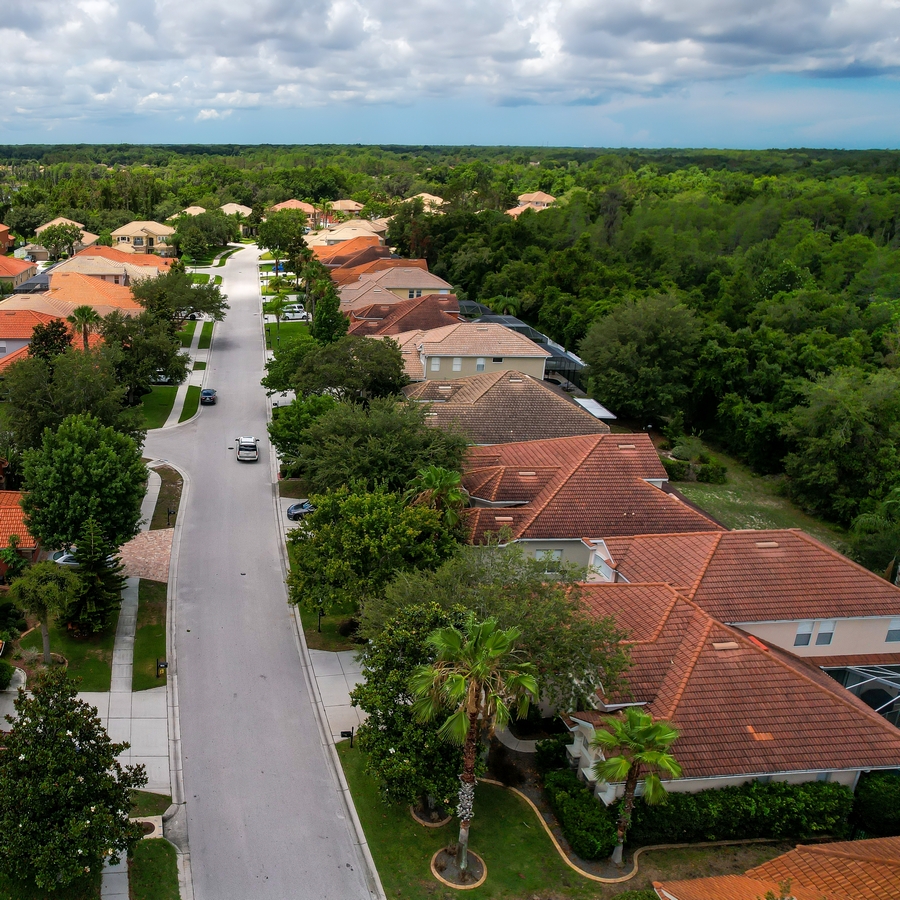
Pinecrest is one of Miami’s strongest choices for families looking for space and a traditional suburban lifestyle.
The neighborhood is dominated by single-family homes with large lots, mature trees, pools, and plenty of privacy.
Parks, schools, nearby marinas, and easy access to US-1 add to the appeal. Dadeland Mall and The Falls are also nearby for shopping, restaurants, and everyday conveniences.
If you want a larger home, quieter streets, and a family-oriented environment, Pinecrest should be high on your list.
2. Coral Gables
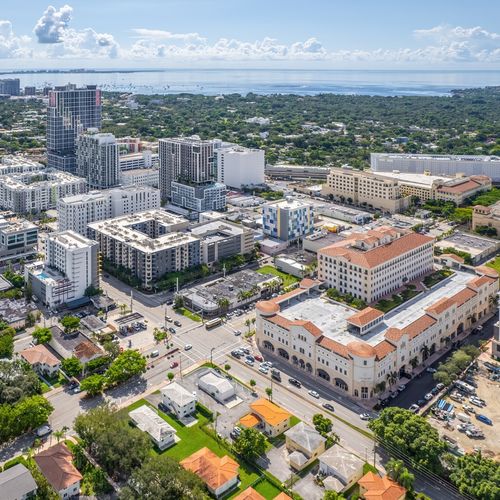
Coral Gables combines suburban living with a surprisingly urban side.
Tree-lined streets, Mediterranean-inspired architecture, golf courses, parks, and single-family homes define much of the community.
Around Miracle Mile, however, you’ll find a walkable downtown filled with restaurants, cafés, shops, offices, and condos.
Move farther south and properties become larger, with waterfront and gated communities such as Cocoplum and Gables Estates adding another level of luxury.
3. Palmetto Bay
Palmetto Bay offers a lifestyle similar to Pinecrest but farther south.
Single-family homes dominate the neighborhood, while mature trees, parks, schools, and residential streets create a strong suburban atmosphere.
Coral Reef Park is one of the community’s major recreational destinations, with sports fields, playgrounds, open spaces, and plenty of room for families to spend time outdoors.
If Pinecrest appeals to you but you want to explore additional options farther south, Palmetto Bay is worth considering.
4. Key Biscayne
Key Biscayne offers something completely different: island living.
Located across the causeway from central Miami, the community combines condos, single-family homes, beaches, parks, marinas, golf, and waterfront properties.
The atmosphere is much more relaxed than Brickell or Downtown, yet you’re still relatively close to central Miami.
For families, retirees, boaters, and anyone who wants the beach to become part of everyday life, Key Biscayne is one of Miami’s most distinctive options.
5. Bay Harbor Islands
Bay Harbor Islands is a small waterfront community located between the mainland and Miami Beach.
The neighborhood offers condos and single-family homes surrounded by the Intracoastal, with Surfside and the beach just across the bridge.
Its location provides convenient access to restaurants, parks, schools, Bal Harbour, and nearby coastal communities.
It can be particularly attractive if you want to live close to the beach without living directly in the busiest parts of Miami Beach.
6. Surfside
Surfside offers a quieter version of Miami beach living.
This small coastal community combines condos, single-family homes, beaches, restaurants, shops, and a compact downtown area.
Compared with South Beach, the atmosphere is much more residential and community-oriented.
If you want to walk to the beach and enjoy a small-town atmosphere while remaining in northeast Miami-Dade, Surfside is an interesting option.
7. Miami Shores
Miami Shores is another neighborhood with a strong small-town feel.
The community is known for older single-family homes with character, mature landscaping, quiet streets, golf, parks, and a small commercial district.
It’s also relatively close to the beaches, Biscayne Boulevard, and northeast Miami.
For families who want a traditional residential neighborhood without moving far south or west, Miami Shores offers a useful alternative.
8. South Miami
South Miami sits between Coral Gables and Pinecrest and offers a mixture of suburban and urban living.
Residential sections are dominated by single-family homes, while the downtown area provides restaurants, cafés, shops, entertainment, and condos.
That combination makes South Miami attractive to both families and professionals.
You can have quieter residential streets while still being close to a walkable neighborhood center.
9. Glenvar Heights
Glenvar Heights is one of the lesser-known neighborhoods on the list.
Located near Dadeland, it offers convenient access to shopping, restaurants, US-1, and major roads while providing a mixture of single-family homes, townhomes, and condos.
The area around Dadeland provides a more urban atmosphere, while residential pockets can feel considerably quieter.
It can be worth exploring if you want to stay near Pinecrest, South Miami, and Dadeland while considering alternatives to some of Miami’s more expensive neighborhoods.
10. Aventura
Aventura provides a much more urban interpretation of suburban Miami living.
High-rise condos, golf, shopping, restaurants, marinas, and resort-style amenities define much of the lifestyle.
Aventura Mall is one of the area’s biggest destinations, while Sunny Isles Beach is located just across the Intracoastal.
It’s especially attractive if you prefer condo living, want plenty of amenities nearby, and spend most of your time in northeast Miami-Dade or southern Broward County.
Which Miami Suburb Is Right for You?
A simple way to narrow the list is by lifestyle:
- Space and family living: Pinecrest or Palmetto Bay
- Historic character and amenities: Coral Gables
- Island lifestyle: Key Biscayne
- Close to the beach: Surfside or Bay Harbor Islands
- Small-town atmosphere: Miami Shores
- Suburban + walkable: South Miami
- Value near Dadeland: Glenvar Heights
- Condos, shopping and golf: Aventura
Final Thoughts
The best Miami suburb depends entirely on what you want your everyday life to look like.
Pinecrest and Palmetto Bay offer traditional suburban living. Coral Gables and South Miami combine residential neighborhoods with walkable commercial districts. Key Biscayne, Surfside, and Bay Harbor Islands put you closer to the water, while Aventura provides a more urban condo lifestyle.
Before choosing a neighborhood, think about housing type, commute, schools, walkability, beach access, outdoor activities, and budget.
Finding the right combination of those factors is much more important than simply choosing the neighborhood with the highest ranking.
Check out this article next