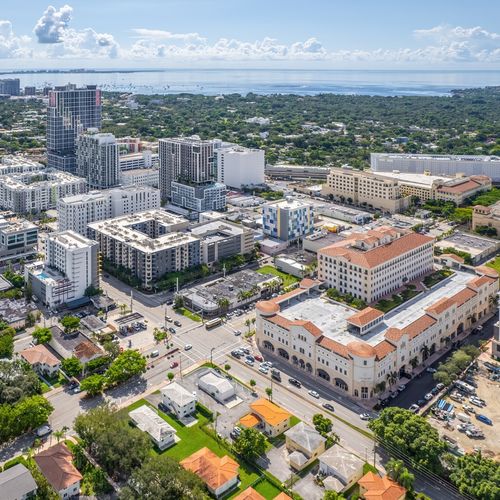


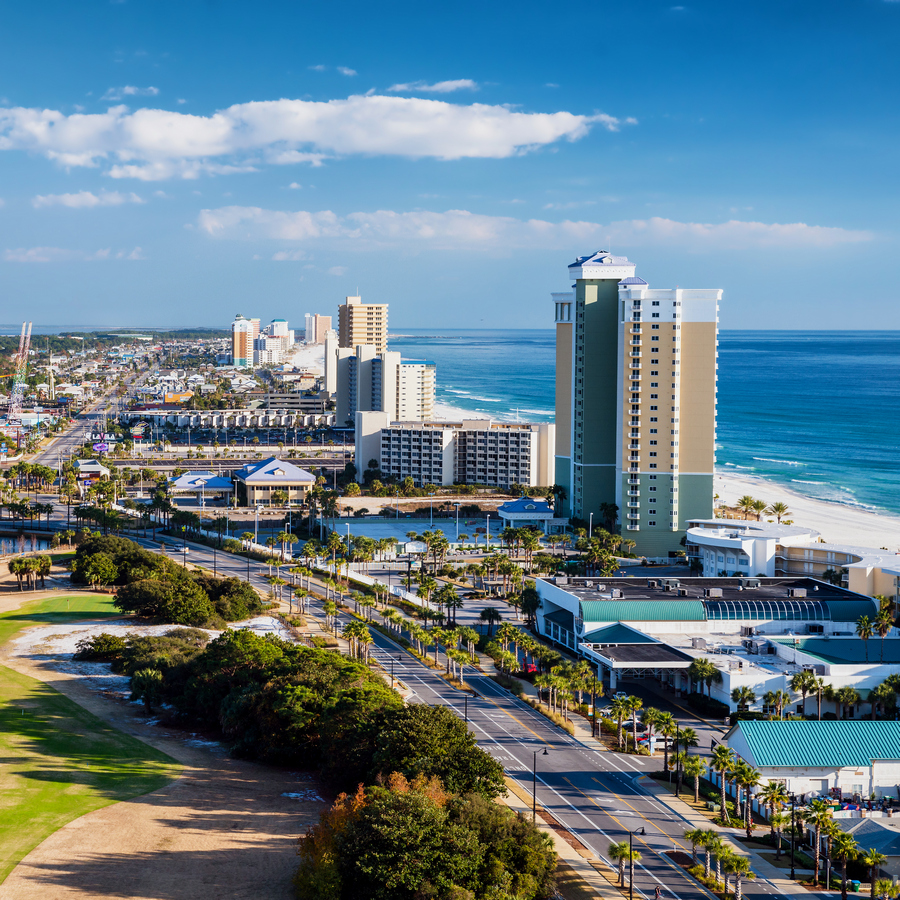
Thinking about moving to Miami in 2026?
The sunshine, beaches, nightlife, and waterfront lifestyle are certainly part of the appeal—but there are also some practical realities you should understand before choosing a neighborhood and signing a lease or buying a home.
Here are 10 things to know before making the move.
1. Miami Isn’t One Neighborhood
One of the first things newcomers discover is just how different Miami can feel from one area to another.
Brickell, Coral Gables, Wynwood, Doral, and Little Haiti may all be part of the greater Miami experience, but their lifestyles are completely different.
Some areas are urban and walkable. Others are quiet and residential. Some revolve around nightlife, while others are better suited to families or people looking for more space.
Don’t choose Miami based on the postcard. Choose the neighborhood that matches your lifestyle.
2. Miami Can Be Expensive
Living in paradise comes with a price.
Housing is one of the biggest expenses, but insurance and other costs associated with living in South Florida can add considerably to your monthly budget.
The good news is that prices vary dramatically between neighborhoods.
Before deciding Miami is either affordable or unaffordable, compare several areas and look at your total cost of living, not simply the rent or purchase price.
3. You’ll Probably Want a Car
Miami’s public transportation continues to improve, but for many residents, having a car still makes life considerably easier.
Metrorail, buses, rideshares, scooters, and other options can help, particularly in more urban neighborhoods.
If you live and work in a walkable area such as Brickell, you may rely less on a vehicle.
But if you plan to explore South Florida regularly, having a car is extremely useful.
4. The Weather Is Amazing—and Sometimes Intense
Miami gives you sunshine, warm winters, tropical evenings, and plenty of opportunities to spend time outside.
Then there’s summer.
Expect heat, humidity, heavy rain, and tropical storms.
Hurricane season runs from June through November, so understanding hurricane preparation should become part of living in South Florida.
When looking at properties, impact windows, shutters, elevation, and flood risk are all worth considering.
5. Florida Has No State Individual Income Tax
One financial advantage of moving to Florida is the absence of a state individual income tax.
That can be particularly attractive to professionals, entrepreneurs, and remote workers relocating from states with significant income taxes.
Of course, that doesn’t mean Miami itself is inexpensive.
Housing, insurance, transportation, and lifestyle expenses still need to be included when comparing the financial impact of relocating.
6. Miami’s Culture Is Everywhere
Miami is one of America’s most internationally influenced cities.
Latin American, Caribbean, European, and other cultures shape everything from the food and music to the languages you hear every day.
Spend enough time here and you’ll quickly become familiar with Cuban coffee, Little Havana, Miami’s art scene, late dinners, and plenty of Spanish and Spanglish.
If you enjoy living somewhere with constant cultural variety, Miami delivers.
7. Miami’s Job Market Is Changing
Miami’s economy isn’t limited to tourism and real estate.
The city has attracted growing activity across industries such as technology, fintech, startups, healthcare, finance, and other professional services.
For someone relocating for work, where that job is located should also influence where you live.
A great neighborhood can become much less enjoyable if you spend too much of every day commuting across Miami.
8. Learn the Neighborhood Names
Locals often identify themselves by neighborhood rather than simply saying they live in Miami.
You’ll hear people talk about living in the Gables, the Grove, Brickell, Wynwood, Doral, and dozens of other communities.
Learning those areas quickly will make understanding Miami much easier.
It will also help enormously when comparing homes because location can completely change the lifestyle, commute, housing options, and price.
9. Insurance and Flood Zones Matter
This is particularly important if you’re buying property.
Flood zones, elevation, wind exposure, building characteristics, and other factors can significantly affect insurance requirements and costs.
Two similarly priced homes can potentially have very different ownership expenses.
Before committing to a property, understand its insurance situation and flood risk rather than discovering those costs after you’re already under contract.
10. The Lifestyle Can Be Worth It
Ultimately, lifestyle is why many people fall in love with Miami.
You can start your morning near Biscayne Bay, work from a café, spend the afternoon at the beach, visit a museum, have dinner outside, or take an spontaneous evening walk along the water.
But Miami can also be intense.
Traffic, nightlife, social activities, work, and the constant temptation to be doing something can become exhausting if you try to experience everything at once.
The best way to enjoy Miami is to find your own pace.
Final Thoughts
Moving to Miami in 2026 can give you an incredible lifestyle, but choosing the right neighborhood and understanding the practical costs are essential.
Before making the move, think about housing, commute, transportation, insurance, flood risk, budget, work, and the type of lifestyle you actually want.
Miami isn’t one experience.
Find the version of Miami that fits you, and you’re much more likely to love living here.
Check out this article next