


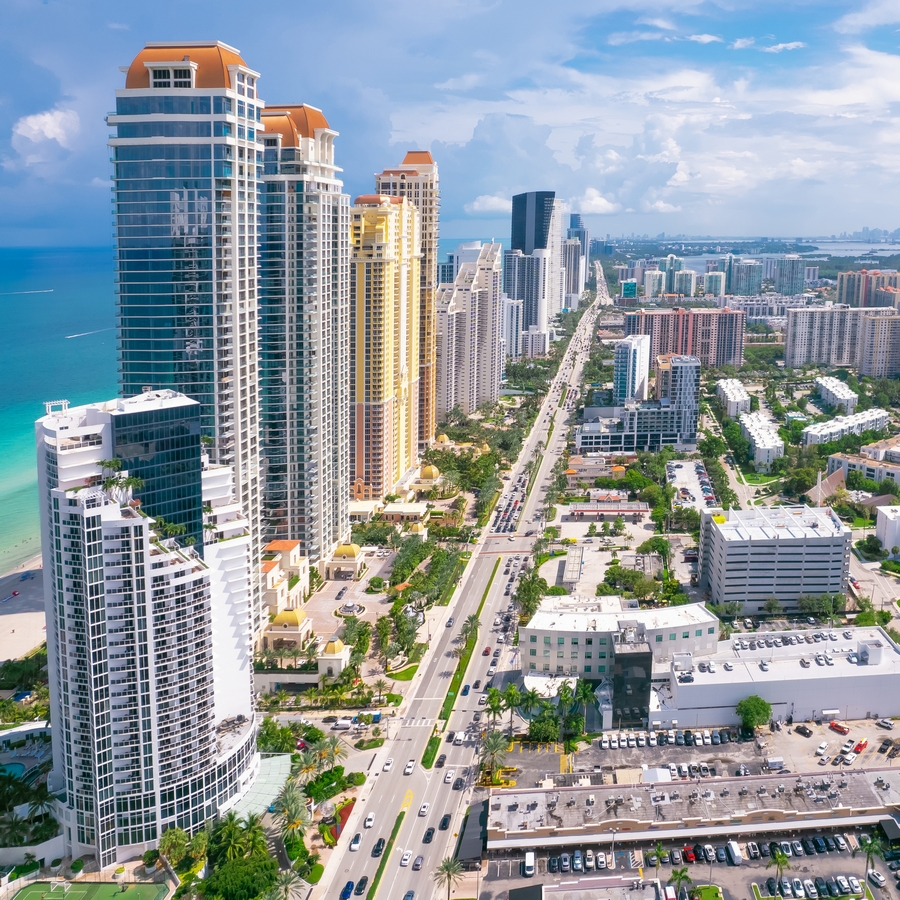
Moving to Miami can be exciting, but living here is very different from spending a week on vacation.
Miami is a large, diverse, international city with warm weather, nightlife, beaches, and plenty to do—but it also comes with traffic, humidity, hurricanes, expensive housing, and a few cultural quirks that newcomers may need time to get used to.
Here are 13 things you should know before making the move.
1. Miami Is a Big City
Miami is a major metropolitan area with millions of people.
The good news is that it’s also very spread out.
If you want an urban lifestyle, neighborhoods such as Brickell, Downtown, Edgewater, Midtown, and Aventura offer condos, restaurants, and walkability.
If you prefer more space and a quieter environment, there are plenty of suburban neighborhoods where everyday life can feel much more relaxed.
2. Miami Is Extremely Diverse
Diversity is one of the defining characteristics of Miami.
People from Latin America, the Caribbean, Europe, Asia, and many other parts of the world call the city home.
That international population influences Miami’s languages, food, music, businesses, neighborhoods, and everyday culture.
For newcomers, it’s one of the things that makes living here particularly interesting.
3. You’ll Live Around Tourists
Miami is one of the world’s major tourist destinations.
Miami Beach gets much of the attention, but visitors can be found throughout the city.
Once you live here, you’ll quickly learn which places are heavily tourist-oriented and which restaurants, beaches, and entertainment areas are more popular with locals.
4. Going Out Can Get Expensive
Miami gives you plenty of opportunities to spend money.
Restaurants, nightlife, rooftop lounges, clubs, concerts, and events can quickly increase your monthly expenses.
The food scene is particularly tempting, with everything from Cuban and Brazilian to Japanese, Italian, Indian, and Thai cuisine.
You can certainly live within a budget, but frequent dining and nightlife can make Miami feel considerably more expensive.
5. Housing Costs Need Careful Planning
Whether you rent or buy, housing will likely represent one of your biggest expenses.
Homeowners also need to consider property taxes, homeowners insurance, and potentially flood insurance.
The specific housing prices mentioned in the source are from 2022, so they shouldn’t be treated as current market figures.
The bigger lesson is to calculate the full cost of housing—not simply the rent or mortgage payment—before deciding where to live.
6. Traffic Can Affect Your Quality of Life
Traffic is part of living in Miami.
The most important thing is understanding where you’ll work before choosing where to live.
If your job is on the eastern side of Miami and you choose a home far west, your commute can become frustrating very quickly.
Choosing the right neighborhood can therefore make as much difference to your lifestyle as choosing the right house.
7. “Miami Time” Is a Thing
Miami has a reputation for being a little relaxed about punctuality.
If dinner starts at 7:00, don’t necessarily expect everyone to arrive at exactly 7:00.
Being fashionably late is common in social situations, and newcomers may need a little time to adjust.
8. Miami Can Be Very Social and Affectionate
Greetings may also feel different depending on where you’re moving from.
Hugs, handshakes, and kisses on the cheek are common social greetings among many Miami residents.
The city’s Latin American influence contributes to a generally expressive and social atmosphere.
9. You’ll Hear Spanish Everywhere
You absolutely don’t need to speak Spanish to live in Miami, but you’ll hear it regularly.
Many residents speak both English and Spanish, and switching between the two languages—often called “Spanglish”—is common.
Learning some basic Spanish can make living in Miami more enjoyable and help you connect with more of the local community.
10. The Humidity Is Real
Miami isn’t simply hot—it’s humid.
During the warmer months, stepping outside can mean sweating within minutes.
Winters are generally mild and comfortable, but summer heat and humidity are something you’ll need to accept if you plan on living here year-round.
11. Bugs and Termites Are Part of South Florida
Warm, humid weather also creates an ideal environment for insects.
Mosquitoes, palmetto bugs, and other pests are common outdoors, while regular pest control can help keep them out of your home.
Termites deserve particular attention if you’re purchasing a property because they can damage wooden structures.
That makes termite inspections and pest prevention an important part of homeownership in South Florida.
12. Hurricane Season Requires Preparation
Hurricanes are one of the realities of living in Miami.
Residents learn to monitor storms, keep supplies available, and protect their homes with shutters or impact-resistant windows and doors.
The source shares a firsthand experience from Hurricane Andrew in 1992 to illustrate how serious major storms can become.
You shouldn’t necessarily let hurricanes stop you from moving to Miami, but you should understand that storm preparation is part of living in South Florida.
13. Miami Is Completely Flat
If your ideal outdoor lifestyle involves mountains, hiking, cabins, and dramatic elevation changes, Miami probably won’t deliver.
South Florida is extremely flat.
Outdoor recreation here revolves much more around beaches, boating, fishing, kayaking, golf, parks, and the water.
For someone moving from a mountainous region, that difference can be surprisingly noticeable.
So, Is Miami Right for You?
Miami could be a great fit if you’re comfortable with:
- Big-city living and diversity
- Tourists and busy entertainment districts
- Higher housing and lifestyle expenses
- Driving and traffic
- Hot, humid weather
- Hurricanes and storm preparation
- Bugs and tropical conditions
- A highly international culture
- A flat, water-focused outdoor environment
Final Thoughts
Living in Miami comes with tradeoffs.
You get warm winters, beaches, boating, incredible food, cultural diversity, nightlife, outdoor activities, and a dynamic big-city atmosphere.
In exchange, you’ll need to deal with traffic, humidity, housing expenses, hurricanes, insects, and a few uniquely Miami cultural habits.
Knowing those realities before you move makes it much easier to choose the right neighborhood—and decide whether the Miami lifestyle is actually right for you.
Check out this article next