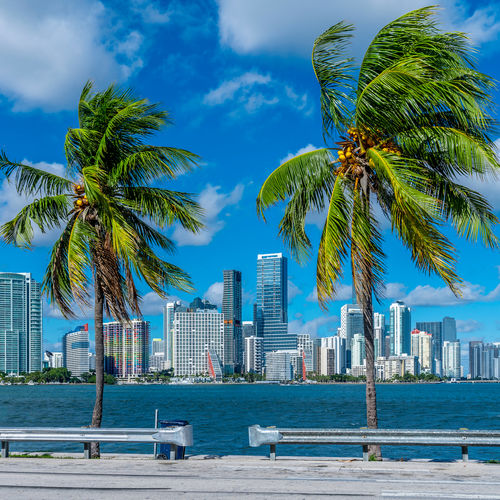



Miami can be an incredible place to live, but it definitely isn’t for everyone.
The beaches, warm winters, nightlife, culture, and outdoor lifestyle get most of the attention. But before relocating, it’s equally important to understand the downsides—from traffic and housing costs to hurricanes, flooding, humidity, and Miami’s car-dependent lifestyle.
Here are 19 things to consider before moving to Miami.
1. It’s a Big and Growing City
Miami-Dade is large, busy, and constantly growing.
More residents mean more development, more cars, and more pressure on roads and infrastructure.
The good news is that Miami is spread out. If dense city living isn’t for you, there are plenty of suburban neighborhoods farther west and south where you can find more space.
2. There’s Always Construction
Growth means construction.
New condos, neighborhoods, roads, and infrastructure projects are constantly changing the city.
Road construction can also create unexpected traffic, particularly when lanes close at night or major routes are being expanded.
3. Miami Is Extremely Diverse
Miami can sometimes feel more international than traditionally American.
People from Latin America, the Caribbean, Europe, and many other parts of the world have shaped the city’s culture, food, language, and lifestyle.
For most people this is a major advantage, but if you prefer a more culturally uniform environment, Miami may take some adjustment.
4. Tourists Are Everywhere
Miami is one of the world’s major vacation destinations.
South Beach, Downtown, Bayside, and other popular areas can become packed with visitors, especially during major events and peak tourism season.
You’ll also notice higher prices in tourist-heavy areas.
5. Cost of Living Can Be High
Miami gives you plenty of opportunities to spend money.
Restaurants, nightlife, luxury shopping, entertainment, boating, and other lifestyle expenses can become expensive very quickly.
Your experience will depend heavily on where you live and how you spend your free time.
6. Housing Can Be Expensive
Renting or buying a home can represent a major portion of your budget.
Beyond the purchase price or rent, homeowners also need to consider property taxes, homeowners insurance, HOA fees, and potentially flood insurance.
The source’s specific home-price and rent figures are from 2022, so they shouldn’t be treated as current market pricing.
7. The Job Market Can Be Competitive
Moving first and figuring out employment later can be risky.
The source highlights industries such as finance, tourism, hospitality, international trade, and commerce as important parts of Miami’s economy.
If you’re relocating specifically for work, securing employment before making the move can make the transition significantly easier.
8. Traffic Can Be Frustrating
Traffic is one of Miami’s most obvious downsides.
Morning and afternoon rush hours can be particularly difficult, and driving styles may take some getting used to.
Where you live in relation to where you work can have a major impact on your everyday quality of life.
9. “Miami Time” Is Real
Miami has a reputation for being a little more relaxed about punctuality.
If someone says dinner starts at 8:00, don’t necessarily expect everyone to arrive at exactly 8:00.
For people accustomed to very punctual social environments, this can take some adjustment.
10. You’ll Hear a Lot of Spanish
Spanish is part of everyday life in Miami.
You don’t need to speak Spanish to live here, but knowing even some basic Spanish can make everyday interactions easier.
You’ll also hear plenty of “Spanglish,” with people naturally switching between English and Spanish during the same conversation.
11. Heat, Humidity and Rain
Miami summers are hot and humid.
Step outside and you may start sweating almost immediately, while air conditioning becomes part of everyday life.
Heavy afternoon rainstorms are also common. They can arrive suddenly, produce intense rain, and disappear relatively quickly.
12. Bugs and Termites
Miami’s subtropical climate is also perfect for insects.
Mosquitoes, palmetto bugs, spiders, and other pests are part of life in South Florida.
Termites are especially important for homeowners, which makes pest inspections and ongoing prevention worth considering when purchasing a property.
13. Hurricane Season
Hurricane season runs from June through November.
Living in Miami means being prepared with supplies, understanding evacuation plans, and protecting your home with shutters or impact-resistant windows and doors.
Major hurricanes don’t hit Miami every year, but hurricane preparation is still part of living in South Florida.
14. Flooding
Miami’s relationship with water has a downside.
Heavy rainfall, tropical storms, and hurricanes can cause flooding in certain areas.
If you’re buying a home, understanding the property’s flood zone and potential insurance requirements should be part of your research before purchasing.
15. Public Transportation Is Limited
Miami has Metrorail, Metromover, buses, and local trolley systems.
These can work well in certain areas, particularly Brickell and Downtown.
But compared with cities such as New York or Chicago, public transportation is much more limited because Miami-Dade is so spread out.
16. Most of Miami Isn’t Walkable
Brickell, Downtown, Coconut Grove, and parts of Coral Gables offer walkable lifestyles.
Much of the rest of Miami is designed around driving.
If being able to walk everywhere is a major priority, choosing the right neighborhood becomes extremely important.
17. Customer Service Can Be Inconsistent
The source also highlights customer service as a potential frustration.
Experiences naturally vary by business, but newcomers may notice that service in some restaurants, stores, and other businesses feels different from what they’re accustomed to elsewhere.
It’s one of those cultural adjustments that can become more noticeable after living in Miami for a while.
18. There Aren’t Really Four Seasons
Miami essentially gives you hot, humid summers and warm, comfortable winters.
You won’t get traditional fall foliage, snowy winters, or dramatic seasonal changes.
For some people, that’s exactly the point of moving to Florida. For others, the lack of seasons is something they eventually miss.
19. Yes, There Are Alligators
Alligators are part of Florida wildlife.
You’re more likely to encounter them around canals, lakes, golf courses, and areas closer to the Everglades than walking through central Miami.
They aren’t something most residents deal with every day, but if you live near freshwater, you should know they’re around.
So, Should You Still Move to Miami?
None of these automatically make Miami a bad place to live.
They’re simply tradeoffs.
If you can handle traffic, heat, humidity, higher housing expenses, hurricane preparation, and relying on a car, Miami offers plenty in return: warm winters, beaches, boating, international culture, restaurants, entertainment, and an outdoor lifestyle that’s difficult to replicate elsewhere.
Final Thoughts
Moving to Miami makes much more sense when you know both the good and the bad before arriving.
The biggest mistake is choosing Miami based entirely on the vacation experience. Living here means dealing with everyday realities that tourists rarely think about—traffic, insurance, flooding, commuting, housing costs, and summer weather.
If those tradeoffs fit your lifestyle, Miami can be an exciting place to call home.
And if they don’t, knowing that before you move can save you a lot of time, money, and frustration.
Check out this article next