

Thinking about buying a condo in Miami?
The views, rooftop pools, walkability, and resort-style amenities can make condo living look like the perfect Miami lifestyle. And for the right buyer, it absolutely can be.
But there’s another side to condo ownership: HOA fees, special assessments, building reserves, insurance, financing requirements, and association rules.
Here’s what you should know before buying.
The Good: Lifestyle and Location
One of the biggest advantages of Miami condo living is convenience.
Depending on the building, amenities can include rooftop pools, fitness centers, concierge services, security, lounges, and even extras such as dog spas and juice bars.
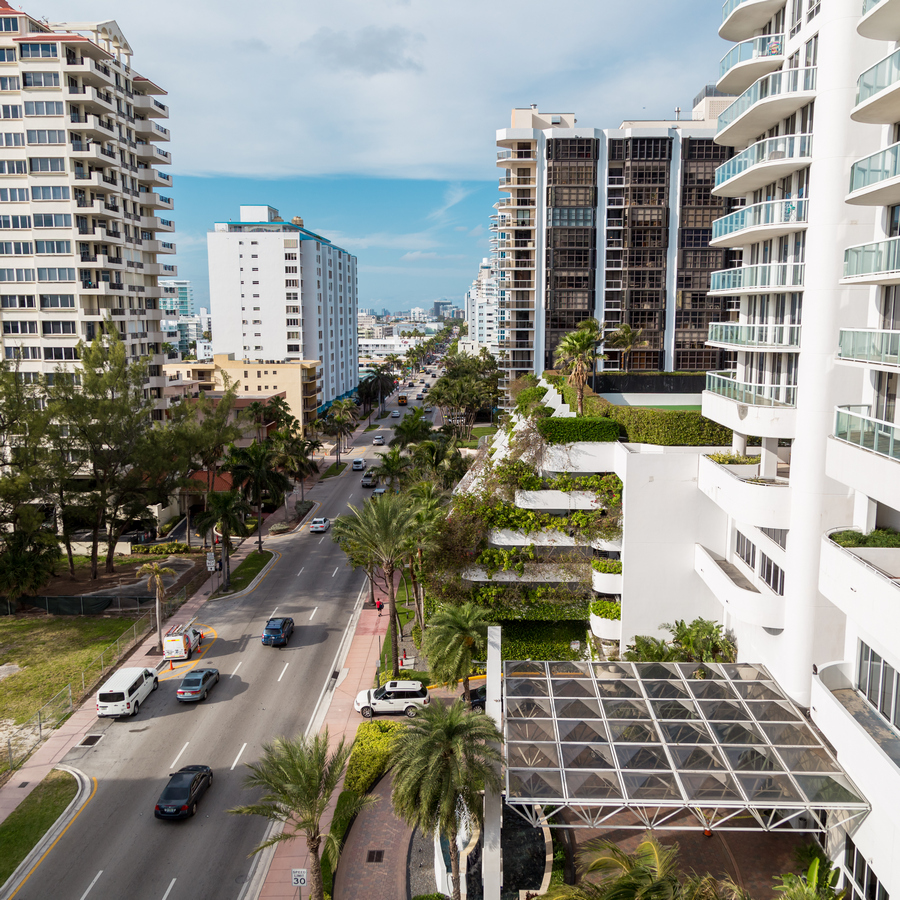
In neighborhoods such as Brickell and Downtown, you can also be within walking distance of restaurants, cafés, gyms, entertainment, Biscayne Bay, and transportation.
For buyers who want an urban lifestyle without maintaining a house, that combination is difficult to beat.
Less Maintenance, More Free Time
Condo ownership eliminates many of the maintenance responsibilities that come with a single-family home.
You’re not mowing the lawn, maintaining the pool, repairing common-area roofs, or worrying about landscaping.
Instead, your association dues contribute toward maintaining the building and its shared amenities.
That can be particularly attractive to busy professionals, retirees, and people who travel frequently.
Security and Community
Many Miami condo buildings provide controlled access, security, front-desk staff, or concierge services.
There’s also a built-in community.
You’ll regularly see neighbors around the pool, gym, elevators, lobby, and other shared spaces.
For some buyers, that combination of security and community is another major advantage over owning a detached home.
The Bad: HOA Fees
Now for one of the biggest considerations: association fees.
According to the source, Miami condo fees can range from approximately $700 to $2,000 per month, depending on the building and its amenities.
Those dues can cover expenses such as maintenance, security, common-area insurance, amenities, and reserve contributions.
Before comparing two condos based purely on purchase price, compare their total monthly ownership costs.
A cheaper unit with significantly higher association fees may not actually be the less expensive option.
Special Assessments Can Be Expensive
Monthly dues aren't necessarily the end of the story.
Condo associations can levy special assessments when major repairs or improvements need to be funded.
The source gives an example of an $18,000 assessment for major building projects.
That’s why buyers should investigate the association’s finances before purchasing.
Review the budget, reserves, recent meeting minutes, and information about current or anticipated assessments.
Building Inspections and Reserves Matter
The source highlights changes following the 2021 Surfside condominium collapse, including increased attention to structural inspections and reserve funding.
While stronger requirements can improve building safety, they can also create additional expenses for associations that need major repairs or additional reserve funding.
For buyers, one important question is whether the building has adequately funded reserves.
If it doesn’t, future owners could face higher dues or assessments.
Financing a Condo Can Be Different
When financing a condo, your lender isn’t evaluating only you.
The building and association can matter too.
Association finances, owner delinquencies, insurance, reserves, litigation, and other building-level factors can potentially affect financing.
That means getting approved personally doesn’t automatically guarantee that every condo building will work with your loan.
If you plan to finance, investigate the building early rather than discovering a problem shortly before closing.
Convenience Comes With Less Control
Condo living means sharing a building—and following its rules.
Associations may regulate pets, rentals, balconies, renovations, noise, and other aspects of ownership.
You also have neighbors above, below, and beside you.
For some people, those tradeoffs are insignificant compared with the convenience.
For someone who values maximum privacy and control over their property, a single-family home may be a better fit.
Parking and Storage
Never overlook parking when buying a Miami condo.
The source notes that some units include only one parking space, while additional parking may come with another monthly expense.
Storage can also be limited.
If you have bikes, paddleboards, sporting equipment, or simply a lot of belongings, find out exactly what storage comes with the unit before buying.
Who Is Miami Condo Living Best For?
Condo living can be particularly attractive for:
- Young professionals who value walkability
- Buyers who want city or waterfront views
- Empty nesters looking to downsize
- Frequent travelers who want a lower-maintenance property
- Buyers who prefer amenities over private outdoor space
- Certain investors, subject to the building's rental rules
On the other hand, if you want a large yard, significant storage, maximum privacy, or freedom to modify your property, condo living may feel restrictive.
What to Check Before Buying
Before purchasing a Miami condo, pay particular attention to the association.
Review its financial statements, reserve funding, current and proposed assessments, insurance coverage, deductibles, meeting minutes, and rules regarding pets and rentals.
You’re not simply buying a unit.
You’re buying into the financial and physical health of the entire building.
Final Thoughts
Miami condo living can offer an incredible combination of location, views, amenities, security, and low-maintenance living.
But buyers need to look beyond the pool deck.
HOA fees, reserves, insurance, assessments, financing requirements, and building condition can make the difference between a great purchase and a very expensive surprise.
If the building is financially healthy and the lifestyle matches what you want, a Miami condo can be one of the easiest ways to enjoy urban South Florida living without the responsibilities of maintaining a single-family home.
Check out this article next