

If you’re thinking about moving to Miami, one of the biggest questions is simple: how much does it actually cost to live here?
Miami can be an expensive city, particularly when it comes to housing, transportation, insurance, and entertainment. However, your actual expenses will depend heavily on the neighborhood you choose and the lifestyle you want to maintain.
Here’s what you should consider when planning your budget for living in Miami.
Housing Costs in Miami
Housing will likely be your biggest monthly expense.
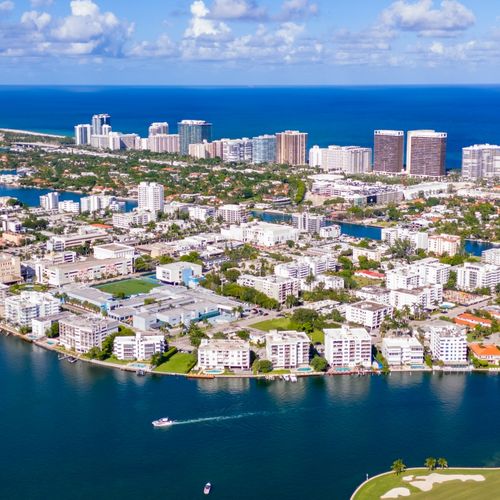
Prices vary dramatically depending on location. Areas closer to the coast and urban centers such as Brickell, Downtown, Coral Gables, and Coconut Grove generally command higher prices.
Move farther west or south, and you can typically find more affordable housing options.
Renting can make sense when you first move to Miami, especially if you’re still deciding which neighborhood best fits your lifestyle.
Buying, meanwhile, comes with additional expenses beyond the mortgage, including property taxes, homeowners insurance, maintenance, and potentially HOA or condo fees.
Property Taxes and HOA Fees
Property taxes should be included when calculating the true cost of owning a home in Miami.
Florida also offers a homestead exemption for qualifying primary residences, which can reduce the taxable value of a property.
If you purchase a condo, townhome, or property within a gated community, you may also have monthly HOA fees.
These can vary significantly depending on the community and amenities. Buildings with pools, gyms, security, golf courses, and other luxury features will generally have higher monthly fees.
Homeowners and Flood Insurance
Insurance is another major expense to consider in South Florida.
Because Miami is exposed to hurricanes and tropical storms, homeowners insurance can be expensive.
Depending on the location of the property and whether you’re financing the purchase, flood insurance may also be required.
This is particularly important when considering homes closer to Biscayne Bay, the ocean, canals, or designated flood zones.
Insurance costs should always be investigated before purchasing a property rather than treated as an afterthought.
Utilities and Home Maintenance
Your monthly housing budget doesn’t stop with the mortgage or rent.
Electricity can become a significant expense during Miami’s hot summer months because air conditioning runs frequently.
You’ll also need to budget for water, internet, and other household services.
Single-family homeowners may have additional expenses such as landscaping and pool maintenance.
Individually, these costs may not seem significant, but together they can add considerably to the monthly cost of owning a home.
Transportation Costs
Miami is a spread-out city, so having a car is practical for many residents.
Beyond the cost of the vehicle itself, you’ll need to consider gas, auto insurance, tolls, and parking.
Tolls are common on Miami’s expressways, and parking can become another regular expense if you work or frequently spend time in areas such as Brickell, Downtown, Coral Gables, or Miami Beach.
Choosing a neighborhood close to your workplace can therefore save both time and money.
Public Transportation
Your ability to rely on public transportation depends largely on where you live.
Metrorail connects several neighborhoods with Downtown Miami, while Metromover provides convenient transportation around Downtown and Brickell.
Certain neighborhoods also have trolley systems.
If you live and work near these transportation routes, it may be possible to reduce your dependence on a car.
In suburban areas, however, driving is generally the most practical option.
Groceries and Everyday Expenses
Miami has plenty of grocery options at different price points.
Residents can choose between traditional supermarkets, warehouse clubs, discount stores, Hispanic markets, and specialty or organic grocery stores.
How much you spend will naturally depend on household size and shopping habits.
Families should also consider expenses such as childcare, which can become a significant part of the monthly budget for households with young children.
Dining and Entertainment
This is where Miami can become particularly expensive.
There are restaurants, bars, sporting events, concerts, festivals, beaches, shopping destinations, and entertainment options everywhere.
For singles, nightlife and dining can quickly increase monthly spending.
Families face the same challenge in a different way. Weekend activities, restaurants, birthday parties, attractions, and events can all add up.
The good news is that Miami also offers plenty of inexpensive outdoor activities, including beaches, parks, cycling, and spending time by the water.
Where You Live Makes a Big Difference
There isn’t one universal cost of living in Miami.
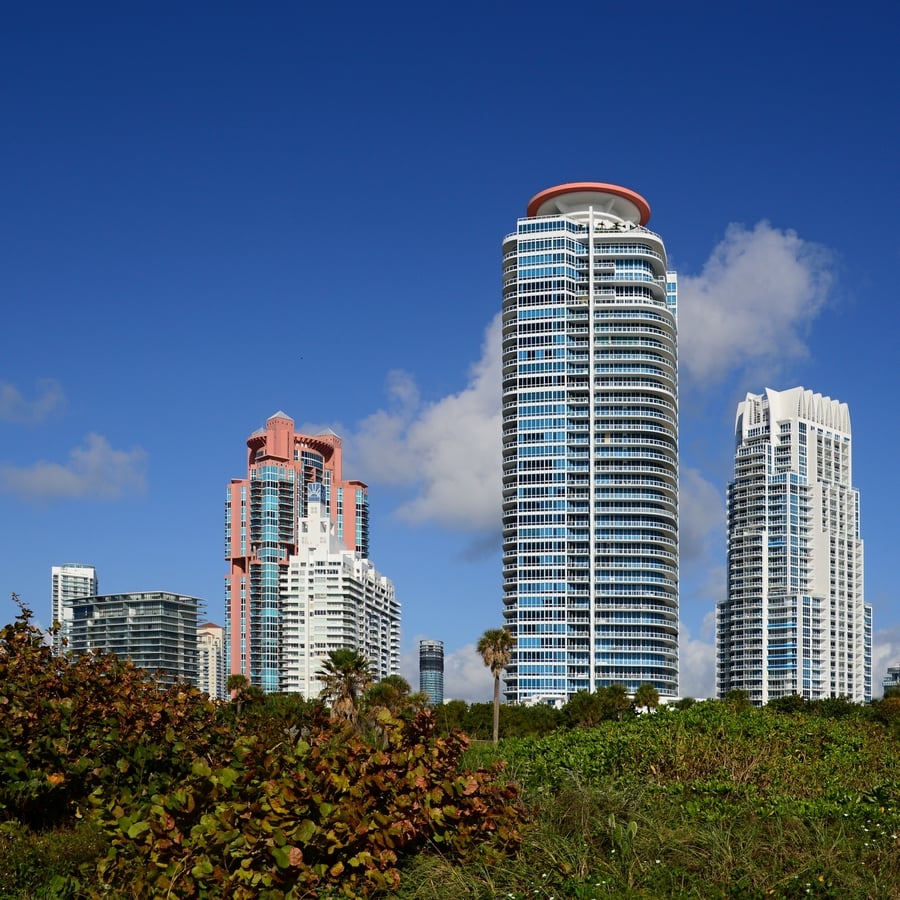
Someone living in a luxury Brickell condo will have a very different monthly budget from someone living in a single-family home farther west or south.
Your commute matters too.
Living farther from central Miami may reduce your housing costs, but those savings can be partially offset by additional driving, tolls, gas, and time spent commuting.
That’s why choosing the right neighborhood is one of the most important financial decisions you’ll make when moving to Miami.
What Makes Miami Expensive?
The biggest expenses generally fall into three categories:
- Housing and insurance
- Transportation
- Dining, entertainment, and lifestyle
Miami gives you plenty of opportunities to spend money, but how expensive the city feels depends heavily on the choices you make.
Final Thoughts
Miami isn’t a cheap place to live, but there’s much more to the story than a single cost-of-living number.
Housing, insurance, transportation, utilities, childcare, food, and entertainment all need to be considered together.
Most importantly, costs vary considerably between neighborhoods.
Before moving, think about where you’ll work, whether you’ll rent or buy, how often you’ll drive, and what kind of lifestyle you actually want.
Finding the right balance between location, housing costs, commute, and lifestyle can make living in Miami significantly more manageable.
Check out this article next