


Moving From New York to Miami: What You Need to Know

Thinking about trading New York winters for Miami sunshine?
Moving from New York to Miami means more than swapping snow boots for flip-flops. The weather, taxes, transportation, housing, culture, and even the pace of everyday life can feel completely different.
Here’s what New Yorkers should know before making the move.
Goodbye Winter, Hello Humidity
The obvious upgrade is the weather.
You can forget about shoveling snow, scraping ice from your windshield, and dealing with freezing temperatures.
But Miami comes with its own adjustment: heat and humidity.
Summers are hot, tropical, and humid, so air conditioning becomes an essential part of everyday life. The payoff is being able to enjoy beaches, pools, boating, and outdoor activities throughout much of the year.
Florida Has No State Individual Income Tax
One of the biggest financial differences between New York and Florida is state individual income tax.
Florida doesn’t impose one, which can make relocating particularly attractive to higher-income professionals and business owners.
That doesn’t automatically mean Miami is inexpensive, though. Housing, insurance, HOA fees, parking, and other expenses still need to be considered when comparing your overall cost of living.
New York Hustle vs. Miami Lifestyle
New York and Miami are both energetic international cities, but the pace feels different.
New York revolves around speed and efficiency.
Miami still works hard, but the culture tends to be more relaxed and social. Coffee meetings, lunches, happy hours, outdoor dining, and networking are all part of professional life.
It may take some adjustment, but that slower rhythm is part of Miami’s appeal.
Renting in Miami Is Different
New Yorkers may find they can get more space for their money in certain Miami neighborhoods, but there are additional expenses to consider.
Parking is one obvious example.
Some landlords may also require significant upfront payments, so understand the complete move-in cost before signing a lease.
And if you’re considering a condo, remember that the building itself can have additional application procedures and rules.
You’ll Probably Want a Car
This may be one of the biggest adjustments for New Yorkers.
Miami has public transportation, but it doesn’t provide the same level of coverage as New York’s subway system.
If you live and work around Brickell or Downtown, you may be able to rely less on a vehicle.
For exploring the rest of Miami-Dade and South Florida, however, having a car can make life considerably easier.
Expect a Cultural Adjustment
Miami doesn’t feel like a typical Southern American city.
Latin American and Caribbean cultures have an enormous influence on the food, music, language, businesses, and overall personality of the city.
Spanish is everywhere, and you’ll probably pick up some local vocabulary surprisingly quickly.
Start with the essentials: “Un cafecito, por favor.”
Networking Works Differently
New York has a reputation for professional networking, but Miami has its own version.
Connections can happen at restaurants, happy hours, gyms, social events, clubs, and other informal environments.
Miami is a highly social city, so building professional relationships often overlaps with building your social circle.
Where Do New Yorkers Move in Miami?
The source highlights Brickell, Downtown, Edgewater, and Coral Gables as popular starting points for people relocating from New York.
Brickell and Downtown provide the closest thing to a dense urban lifestyle.
Edgewater offers high-rise waterfront living with a slightly quieter atmosphere.
Coral Gables provides something more residential while remaining relatively close to central Miami.
As housing needs change, some people look farther south toward areas such as Kendall, Pinecrest, and Palmetto Bay for single-family homes and additional space.
Buying a Home Requires Some Local Knowledge
If you decide to buy rather than rent, don’t assume the process and expenses will look exactly like they did in New York.
Insurance, flood considerations, property taxes, condo associations, and HOA fees can all affect your actual monthly housing costs.
Getting pre-approved and understanding those expenses before starting your search can prevent some unpleasant surprises later.
What Will You Miss About New York?
Probably a few things.
The subway. Walking everywhere. Neighborhood institutions. Bagels. Pizza. Maybe even the energy of Manhattan.
Miami isn’t a warmer version of New York, and moving here works better when you don’t expect it to be.
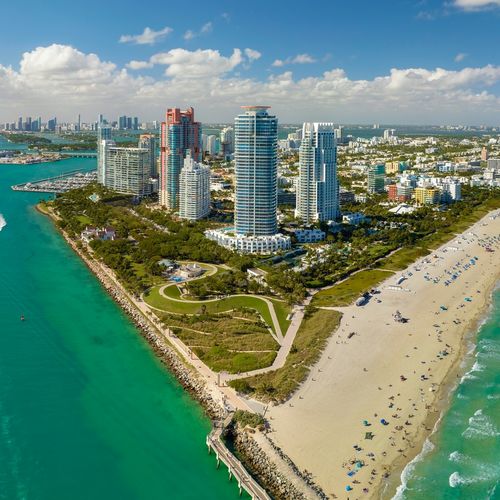
It offers a completely different lifestyle—beaches, tropical weather, outdoor living, waterfront neighborhoods, Latin culture, and a more relaxed pace.
Final Thoughts
Moving from New York to Miami can be a major lifestyle change.
You’re trading winter for humidity, subway rides for driving, New York hustle for Miami rhythm, and dense city living for significantly more lifestyle options.
The key is choosing the right Miami neighborhood.
If you still want skyline views and city energy, start with Brickell or Downtown. If you want something quieter, explore Edgewater or Coral Gables. And if you’re ready for more space and suburban living, neighborhoods farther south may make more sense.
Miami isn’t New York with palm trees.
And for many people making the move, that’s exactly the point.
Check out this article next
How to Buy a Home in Miami When Relocating
Buying a home in Miami when you live somewhere else can seem complicated, but much of the process can now be handled remotely.From financing and…
Read Article