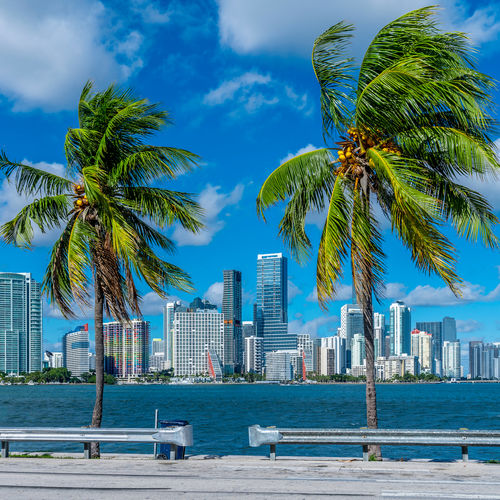


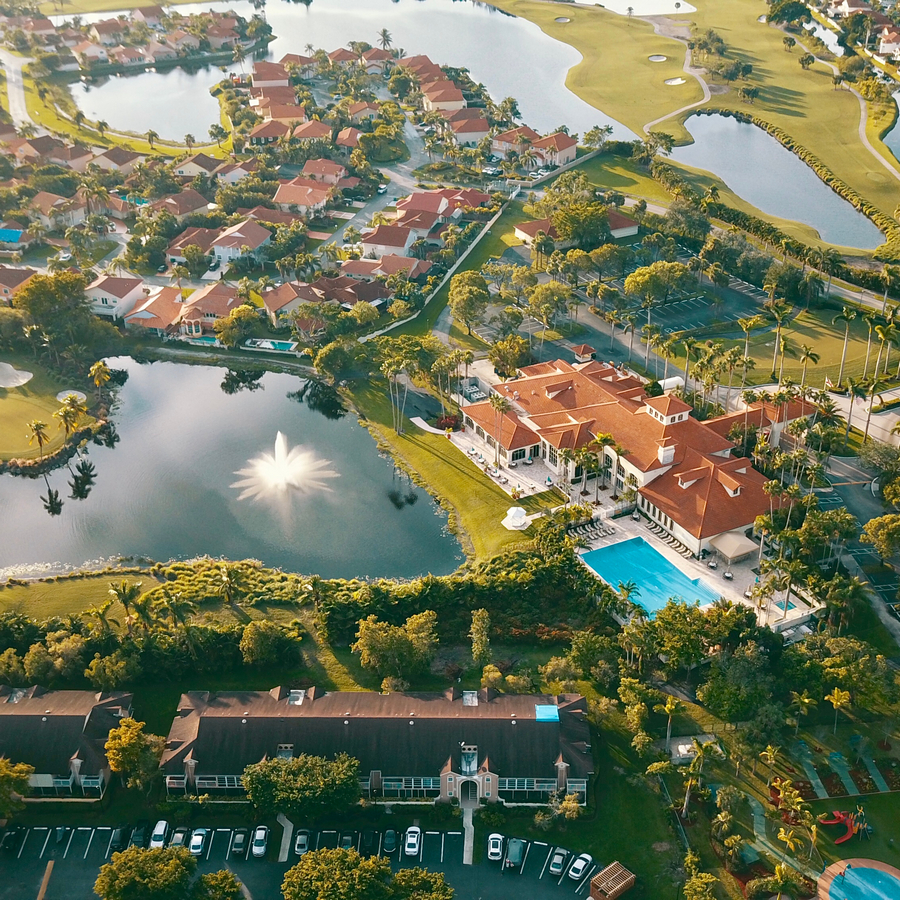
Choosing where to live in Miami can be difficult because there isn’t one Miami lifestyle.
You can live in a Downtown high-rise, a waterfront condo, a quiet suburban neighborhood, a beach community, or even on several acres of farmland. The right choice depends less on which neighborhood is considered “best” and more on how you actually want to live.
Here’s a breakdown of Miami’s major areas and what they offer.
Downtown, Brickell and Edgewater
If you want an urban lifestyle, start with Downtown Miami and Brickell.
These neighborhoods offer high-rise condos, restaurants, nightlife, shopping, offices, waterfront parks, and some of Miami’s strongest walkability.
Just north of Downtown, Edgewater provides a slightly quieter alternative with waterfront condos overlooking Biscayne Bay.
Nearby Wynwood and the Design District add restaurants, art, galleries, nightlife, and luxury shopping.
This part of Miami is ideal if you want to stay close to the action.
Coconut Grove and Key Biscayne
For something more relaxed, Coconut Grove combines single-family homes and condos with parks, marinas, restaurants, tropical landscaping, and a walkable neighborhood center.
Across the Rickenbacker Causeway, Key Biscayne offers an entirely different experience.
Beaches, condos, waterfront homes, parks, golf, and boating create an island-style lifestyle while keeping you relatively close to central Miami.
Both areas are strong options if being near Biscayne Bay is a priority.
Coral Gables
Coral Gables offers one of Miami’s most distinctive combinations of suburban and city living.
The neighborhood is known for mature trees, Mediterranean-inspired architecture, parks, golf courses, schools, and beautiful single-family homes.
Around Miracle Mile, you’ll find restaurants, shops, offices, and a walkable downtown.
Move farther south and properties become larger, with luxury and waterfront communities providing a quieter residential environment.
Westchester and Miami Springs
Westchester offers traditional suburban living in a central location.
Single-family homes, schools, parks, restaurants, shopping, and access to major roads make it particularly practical for families.
Miami Springs provides a smaller community atmosphere near Miami International Airport, with charming homes, mature trees, golf, parks, and a compact downtown.
Both are worth considering if you want a residential lifestyle without moving too far from central Miami.
Aventura and Sunny Isles
Northeast Miami-Dade offers a completely different environment.
Aventura combines high-rise condos, shopping, restaurants, golf, and waterfront living.
Cross the Intracoastal and Sunny Isles puts you directly on the Atlantic Ocean, with luxury condo towers lining the beach.
These areas can be particularly attractive if you prefer condo living and spend much of your time in northeast Miami-Dade or southern Broward County.
Miami Shores and Miami Lakes
Miami Shores offers character-filled single-family homes, parks, schools, golf, and a residential atmosphere while remaining relatively close to Miami’s eastern neighborhoods and beaches.
Farther northwest, Miami Lakes was developed as a master-planned community with homes, townhouses, condos, restaurants, businesses, and a community-oriented town center.
Both provide alternatives for people who want more of a neighborhood feel.
Doral
Doral has transformed into one of Miami’s major residential and business centers.
The area offers newer condos, townhomes, single-family homes, gated communities, golf courses, restaurants, parks, and shopping.
Downtown Doral and CityPlace add more walkable environments where residents can eat, shop, and spend their free time.
If you like newer construction and modern suburban living, Doral deserves consideration.
Pinecrest, Palmetto Bay and South Miami
South of Coral Gables, Miami becomes increasingly suburban.
South Miami combines residential neighborhoods with its own walkable downtown.
Pinecrest is known for larger single-family homes, mature trees, schools, parks, and spacious properties.
Continue south into Palmetto Bay and you’ll find another family-oriented community with residential streets, parks, schools, and proximity to Biscayne Bay.
These areas are particularly appealing if space and family living are priorities.
Cutler Bay and Homestead
Farther south, Cutler Bay can provide more affordable housing while maintaining access to parks, waterfront recreation, and suburban communities.
Continue toward Homestead and housing generally becomes more affordable compared with central Miami.
You’ll also find newer communities and considerably more open space.
The tradeoff is distance. If you work in Downtown or Brickell, commuting from this far south can become a major consideration.
Kendall and West Kendall
Kendall is another major destination for suburban Miami living.
Single-family homes dominate much of the area, with schools, golf courses, parks, shopping, and restaurants throughout the community.
Continue west and neighborhoods such as The Hammocks, The Crossings, and Kendall Lakes can provide additional housing options and more space for the money.
You’ll be farther from the beaches and central Miami, but everyday conveniences are increasingly available throughout western Miami-Dade.
The Redland
And then there’s a completely different version of Miami.
The Redland offers larger properties, farms, nurseries, ranches, tropical fruit, and acreage.
Instead of high-rise condos and nightlife, you get open land and a rural atmosphere.
If your ideal Miami home involves space, agriculture, horses, or simply getting away from dense development, the Redland is one of the most unique options in South Florida.
How to Choose the Right Part of Miami
Rather than starting with neighborhood names, start with your lifestyle:
- Urban and walkable: Brickell, Downtown, Edgewater
- Waterfront and tropical: Coconut Grove, Key Biscayne
- Established and upscale: Coral Gables
- Family-oriented suburbs: Pinecrest, Palmetto Bay, Kendall
- Modern suburban living: Doral
- Beach and condo lifestyle: Sunny Isles and Aventura
- More affordable suburban options: Cutler Bay, West Kendall, Homestead
- Country and acreage: The Redland
Final Thoughts
Miami is much bigger and more diverse than the neighborhoods visitors typically see.
You can live close to nightlife in Brickell, surrounded by trees in Pinecrest, steps from Biscayne Bay in Coconut Grove, directly on the beach in Sunny Isles, or on acreage in the Redland.
The most important factors are your commute, housing preferences, budget, family needs, and lifestyle.
Choose those first.
Then choose the neighborhood.
Check out this article next