


Moving to Miami: A Complete Guide to Miami’s Neighborhoods
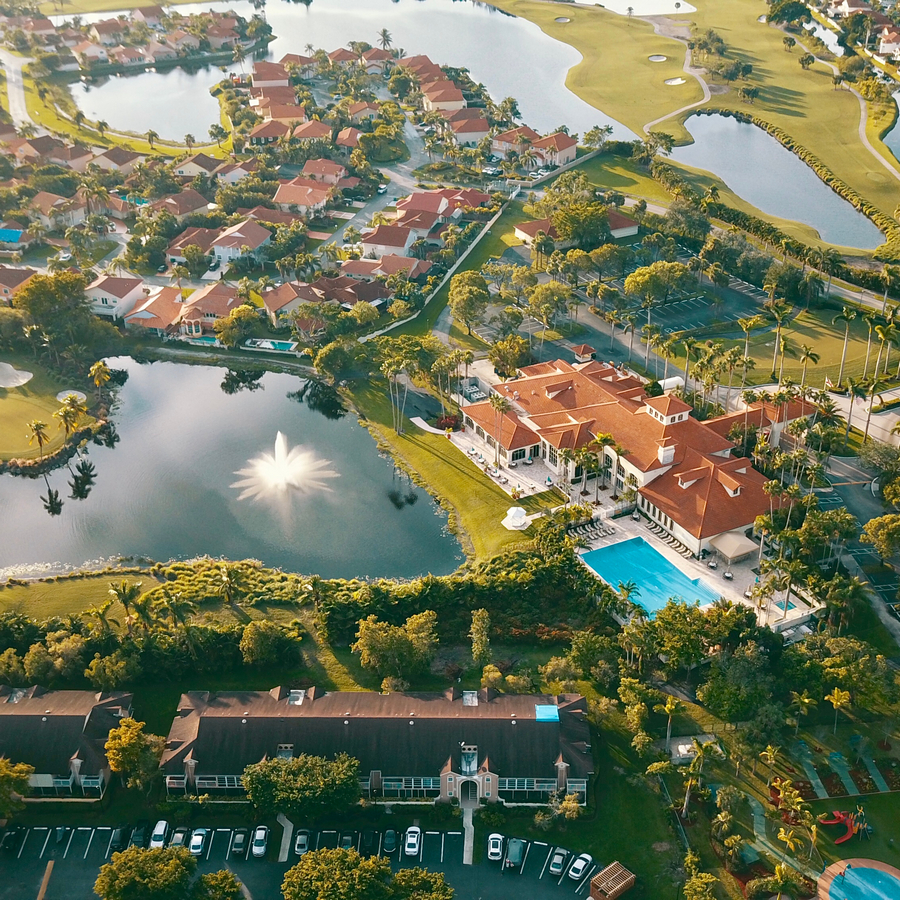
Moving to Miami can feel overwhelming simply because of how large and diverse Miami-Dade County is.
The lifestyle can change completely depending on where you live. You can choose a high-rise condo in Brickell, a single-family home in Coral Gables, a suburban property in Pinecrest, a waterfront condo in Aventura, or even acreage near Homestead and the Redland.
Here’s a practical overview of Miami’s major areas and what each has to offer.
Downtown Miami and Brickell
If you want to be close to restaurants, nightlife, offices, entertainment, and major events, Downtown and Brickell are natural places to start.
Both areas are dominated by condos and offer some of Miami’s best walkability.
Brickell City Centre and Mary Brickell Village provide shopping, restaurants, cafés, and nightlife, while Downtown offers Bayfront Park, Bayside, museums, entertainment, and waterfront attractions.
For professionals who work nearby, living here can also reduce the need for a car.
Wynwood, Edgewater and the Design District
Just north of Downtown, these neighborhoods offer another version of urban Miami.
Wynwood is known for art, murals, restaurants, bars, and a creative atmosphere. The Design District focuses more heavily on luxury fashion, architecture, galleries, and upscale dining.
Edgewater is primarily a condo neighborhood along Biscayne Bay, offering waterfront views while keeping residents close to Downtown, Wynwood, and Miami Beach.
Key Biscayne
Key Biscayne offers a completely different lifestyle.
After crossing the causeway from Miami, you enter a quieter island environment surrounded by beaches, parks, golf, marinas, and water.
The village itself offers both single-family homes and condos, along with restaurants and everyday businesses.
If you want beach access and outdoor living while remaining relatively close to Brickell, Key Biscayne is one of Miami’s most distinctive options.
Coconut Grove and Coral Gables
Coconut Grove and Coral Gables are two of Miami’s most established residential areas.
The Grove combines tropical landscaping, single-family homes, condos, marinas, parks, restaurants, and waterfront living.
Coral Gables is known for Mediterranean architecture, mature landscaping, golf courses, larger homes, and a walkable commercial district around Miracle Mile.
Move farther south through Coral Gables and you’ll find larger luxury properties, gated communities, and waterfront homes.
South Miami, Pinecrest and Palmetto Bay
Continue south and Miami becomes increasingly suburban.
South Miami combines residential neighborhoods with a small walkable downtown.
Pinecrest offers larger single-family homes, spacious lots, parks, schools, and a quieter family-oriented environment.
Palmetto Bay continues that lifestyle farther south, with residential neighborhoods, parks, schools, and access toward Biscayne Bay.
These areas can be particularly appealing to families looking for more space.
Cutler Bay, Homestead and the Redland
Farther south, housing generally becomes more spread out.
Cutler Bay offers suburban neighborhoods and residential communities near Biscayne Bay.
Homestead provides a mixture of established neighborhoods and newer developments while putting residents closer to the Florida Keys.
The Redland is completely different. Here you’ll find larger properties, farms, nurseries, ranch-style living, and acreage.
If you want space and don’t need to be close to Downtown Miami, southern Miami-Dade opens up many additional possibilities.
Kendall and West Kendall
Kendall is one of Miami-Dade’s largest suburban areas.
Single-family homes dominate many neighborhoods, while condos and townhomes become more common in other sections.
Shopping, restaurants, golf courses, parks, and major roads are spread throughout the area.
Move farther west toward West Kendall and communities such as The Hammocks, and housing can become more affordable compared with neighborhoods closer to central Miami.
The tradeoff is commute time, particularly if you work farther east.
Westchester and University Park
Westchester offers an established suburban environment with mostly single-family homes.
The neighborhood is centrally positioned compared with areas farther west and provides access to major roads, shopping, restaurants, parks, and schools.
Florida International University is also nearby.
For buyers who want a traditional single-family neighborhood without paying prices associated with areas closer to the coast, this part of Miami can be worth exploring.
Doral
Doral combines residential living with one of Miami’s major business districts.
You’ll find condos, townhomes, single-family homes, gated communities, golf courses, parks, restaurants, and entertainment.
Downtown Doral and CityPlace have also created more walkable environments with restaurants, shops, and residences concentrated together.
Doral makes particular sense if you work nearby because you can potentially live, work, shop, and spend your free time without constantly crossing Miami.
Miami Springs and Miami Lakes
For a smaller community atmosphere, Miami Springs and Miami Lakes are interesting alternatives.
Miami Springs is a compact residential community near Miami International Airport with single-family homes, golf, and a small downtown.
Miami Lakes is a larger master-planned community with residential neighborhoods, condos, golf, restaurants, and its own commercial center.
Both can provide a more community-oriented lifestyle than Miami’s larger urban neighborhoods.
Aventura and Northeast Miami
Aventura is heavily focused on condo living, shopping, golf, boating, and waterfront lifestyles.
Nearby Sunny Isles Beach provides direct access to the Atlantic, while communities around North Miami and North Miami Beach offer more single-family housing options.
Miami Shores is another standout in this part of the county, with older character homes, mature landscaping, golf, a small downtown, and a residential atmosphere.
For people whose daily lives are centered in northeast Miami-Dade, these neighborhoods can be particularly convenient.
Miami Beach
Miami Beach is essentially its own lifestyle.
South Beach offers nightlife, restaurants, entertainment, and walkability. Mid-Beach becomes more residential, while North Beach provides additional condo and residential options.
If your priority is living near the ocean, Miami Beach deserves its own neighborhood search rather than being treated as one single area.
How to Choose the Right Miami Neighborhood
Before looking seriously at homes, focus on three things:
- Housing: Condo, townhouse, single-family home, waterfront property, or acreage?
- Lifestyle: Walkability, nightlife, beaches, boating, parks, schools, golf, or quiet suburban living?
- Location: Where will you work, and how much commuting are you willing to tolerate?
Miami is spread out, so choosing the wrong location can mean spending a significant amount of time in traffic.
Final Thoughts
There’s no single “best neighborhood” in Miami.
The right choice depends on what you want your everyday life to look like.
If you want urban energy, explore Brickell, Downtown, Edgewater, and Wynwood. If you want established residential neighborhoods, look at Coconut Grove and Coral Gables. For larger homes and suburban living, consider Pinecrest, Palmetto Bay, Kendall, or Westchester. And if you want beachfront or waterfront condo living, explore Miami Beach, Key Biscayne, Sunny Isles, and Aventura.
Start with your lifestyle, housing preferences, and commute. Once you know those three things, narrowing down where to live in Miami becomes much easier.
Check out this article next
19 Reasons You Might Not Want to Move to Miami
Miami can be an incredible place to live, but it definitely isn’t for everyone.The beaches, warm winters, nightlife, culture, and outdoor lifestyle get most of…
Read Article